
A business can run on one person’s skills and a handful of digital accounts. Protecting those accounts, however, can become another full-time responsibility. A newly released guide aims to make cybersecurity more manageable for people who work for themselves.
On November 2, the National Institute of Standards and Technology announced Small Business Cybersecurity: Non-Employer Firms. The publication translates cybersecurity concepts into practical actions for businesses whose only paid employee is the owner.
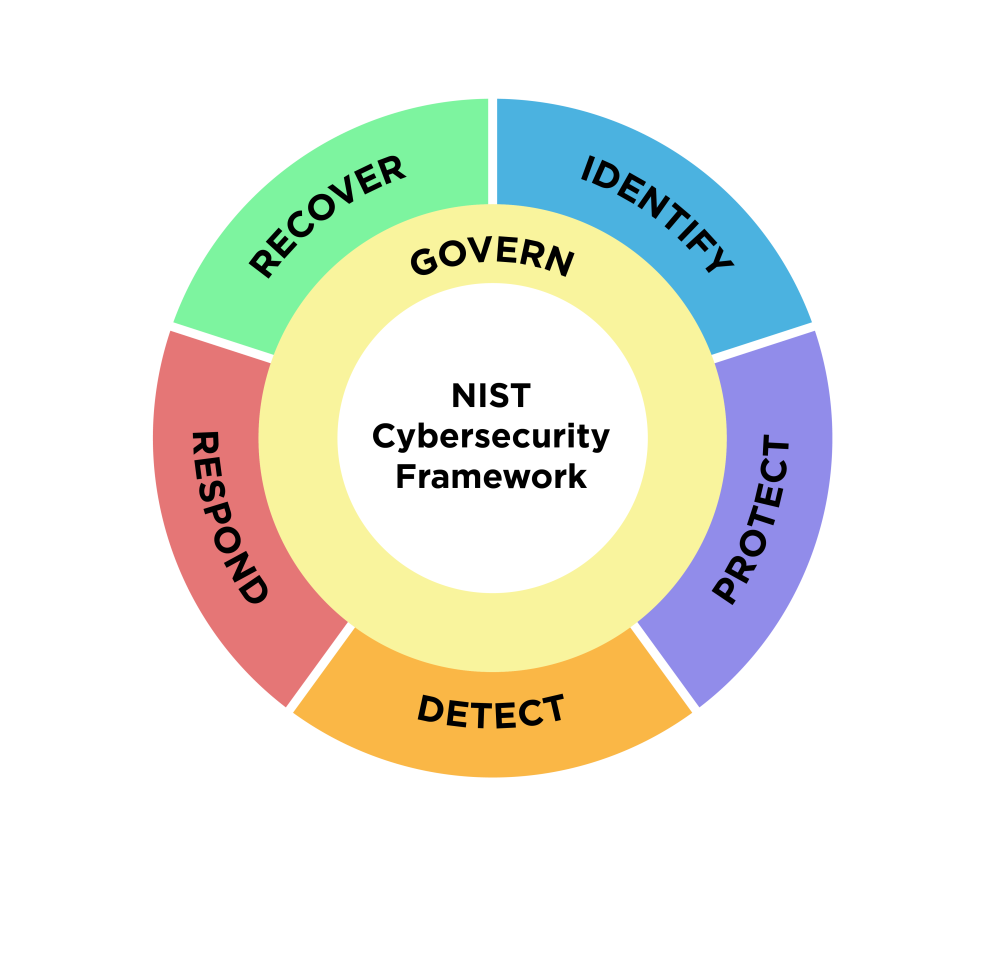
Written for readers without a technical background, it draws on the NIST Cybersecurity Framework 2.0. Its purpose is to help owners decide what matters most, begin protecting it, and improve their approach as their business grows.
The guide includes explanations, suggested starting points, and worksheets for tracking assets and completed actions. Hypothetical examples involving a lawyer, an artisan, and a consultant help connect the recommendations with everyday business decisions.
One central recommendation is to understand what the business depends on. That means identifying important devices, software, accounts, and services, then considering the consequences if they become unavailable or compromised.
For a freelance designer, that could mean access to client files. For an online seller, it could mean the accounts used to receive orders and payments. These examples illustrate why security priorities should follow the way a business actually operates.
Account protection is another focus. The guide recommends phishing-resistant multifactor authentication wherever available, particularly for sensitive services such as email, banking, and cloud storage. It also encourages passkeys and strong, unique passwords supported by a password manager.
Recovery receives attention alongside prevention. Owners are encouraged to establish a backup strategy, protect their backups, and test whether information can be restored. Keeping software updated and preparing a contact list for reporting incidents are additional starting steps.
The publication also recommends retaining a paper copy of important incident contacts. That small detail reflects a practical concern: information stored only inside an inaccessible account may be difficult to use when it is needed most.
The significance of this release is its emphasis on implementation. Security features already available in devices and online services become more useful when owners know which settings to enable and how those choices support their work.The guide is available now. It provides a foundation for managing risk, with adjustments needed for each business’s resources, industry, and obligations.
For solo operators, that approach can turn a vague concern into a sequence of manageable decisions. Knowing which account is essential, whether its recovery details are current, and whether a backup works creates a clearer picture than simply assuming a service is secure.
As more business activity moves through connected platforms, protecting access and preparing for disruption become part of maintaining the business itself. NIST’s new guide gives the smallest firms a practical place to begin.